Japanese Convenience Store Food Guide: What to Eat at 7-Eleven, FamilyMart & Lawson (2026)
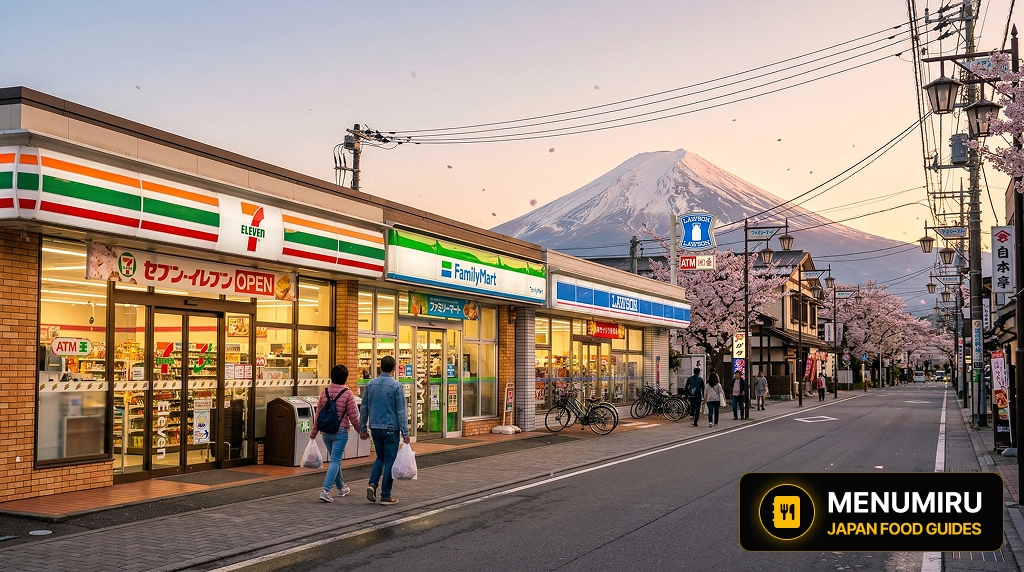
Two in the morning. Tokyo. You just missed the last train, the station gates are shut, a taxi costs ¥5,000, and your hotel is a ninety-minute walk away. You're tired, hungry, and can't read a single character around you. Then you see it: the soft white glow of a 7-Eleven, Lawson, or FamilyMart sign. The door slides open with a cheerful chime. Inside: warmth, spotless floors, the smell of fresh bread. A steaming glass case of hot buns sits by the register. The fridge is lined with dozens of onigiri, sandwiches, and salads. There's hot coffee, a clean restroom, and an ATM. Everything you need right now, all in one place.
This is a konbini (コンビニ). Over the course of your trip to Japan, you'll visit one almost every day.
Japan has over 55,000 konbini. They're open 24 hours a day, 365 days a year, and they're everywhere: next to train stations, in residential neighborhoods, along mountain roads, on islands, even at the foot of volcanoes. The three major chains, 7-Eleven (~21,000 locations), FamilyMart (~16,500), and Lawson (~14,500), compete so fiercely that the food quality left "quick gas station snack" territory a long time ago.
According to the Japan Tourism Agency, international tourists spend roughly 22% of their budget on food and drinks, and a good chunk of that goes to konbini. In 2025–2026, "grocery store tourism" became a real trend: travelers deliberately visit konbini for the cultural experience, film onigiri unboxings for TikTok, and do "konbini crawls" across different chains in a single evening.
But almost everything on the shelves is written in Japanese. This guide will help you figure out what to buy, at which chain, and how to make the right choices, even if you don't know a single kanji.
What makes Japanese konbini different
If you're picturing convenience stores the way they work in other countries, adjust your expectations. Japanese konbini operate at a completely different level.
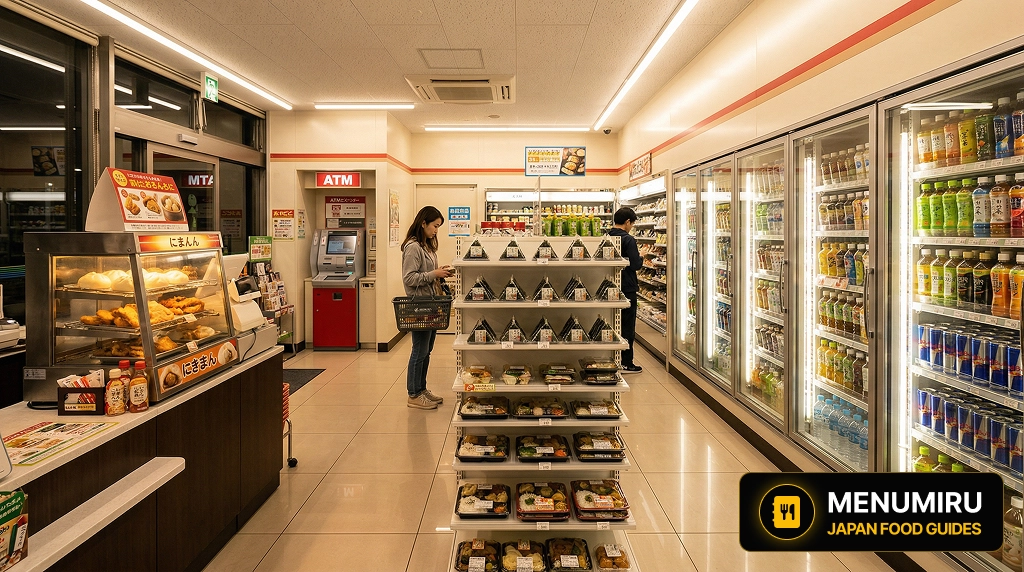
Restaurant-quality food. Onigiri are made with fresh rice every day. Sandwiches use the softest crustless milk bread (shokupan, 食パン) with generous fillings. Salads are actually fresh. Bento boxes are complete meals with rice, protein, and vegetables. The lineup updates monthly: new items appear, old ones rotate out, seasonal products change every few weeks. Many Japanese office workers eat breakfast, lunch, and dinner at konbini for years, and nobody thinks twice about it.
Everything you might need, in one place. Food is only part of it. Konbini stock toothbrushes, toothpaste, shampoo, conditioner, socks, underwear, umbrellas, phone chargers, batteries, stationery, bandages, basic cold and headache medicine, contact lenses, sunscreen, and hygiene products. If you forgot something at the hotel or lost your luggage, a konbini will cover 90% of your needs.
Restrooms. The vast majority of konbini have clean, free restrooms. Japan already has great public restrooms at train stations, parks, and shopping centers, but konbini add one more option, especially when you're far from a station.
Services you wouldn't expect. ATMs that accept foreign cards (7-Eleven's are the most reliable), bill payments, luggage shipping to another city (Takkyubin), document printing from your phone, bus and event ticket purchases via in-store terminals, Suica and Pasmo IC card top-ups, even Wi-Fi.
Impeccable service standards. The stores are spotlessly clean. Staff are friendly. The checkout interaction follows the exact same script across all 55,000 stores; learn a couple of phrases and you'll feel confident from Hokkaido to Okinawa.
The big three: what each chain does best
All three chains sell similar product categories, but each has its own personality, its own signature hits, and its own army of loyal fans. In Japan, the debate over which konbini is best is waged with the same passion as arguments about the best ramen.
7-Eleven (セブンイレブン): the king of onigiri and bento
~21,000 stores, the largest chain in the country.
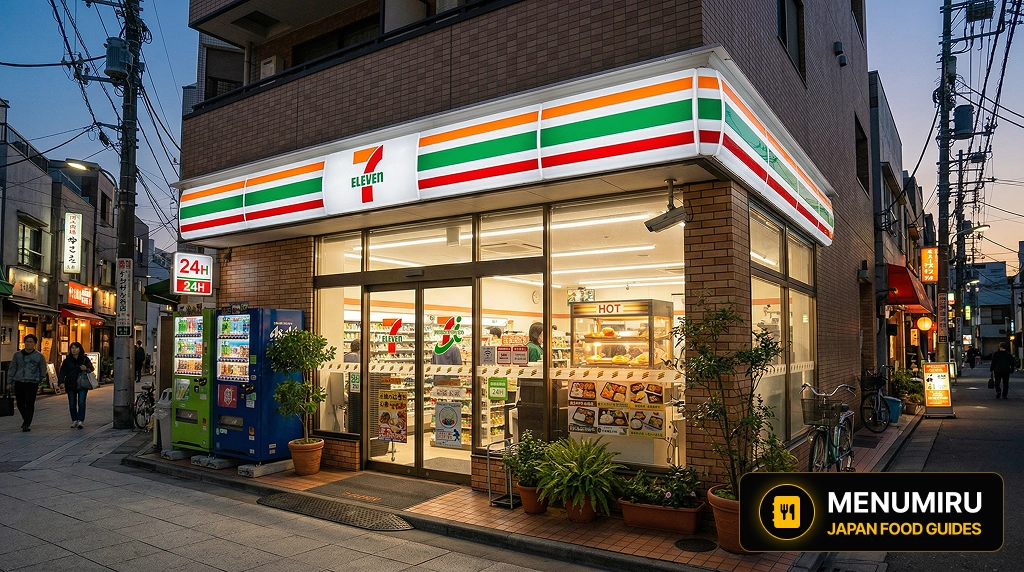
7-Eleven arrived in Japan in 1974 and has since evolved into something that has nothing in common with its namesake stores in other countries. Everything here is more serious, tastier, and more carefully made.
What to get:
The best onigiri. The nori is lightly salted (a unique 7-Eleven touch), the fillings are generous, and the rice is fresh. Classics: tuna mayo (ツナマヨ), salted salmon (塩鮭), mentaiko (明太子, spicy pollack roe), umeboshi (梅干し, pickled plum).
The best bento. Katsudon, mapo tofu, chicken teriyaki with rice, all fresh and filling. Some locations (like the one at Tokyo Station) sell exclusive bento you won't find elsewhere.
Tamago sando (egg sandwich): soft white bread, egg salad with Kewpie mayo, soft-set egg. If you only try one konbini sandwich, make it this one.
Pancakes with maple syrup for ~¥100. The syrup and margarine are already inside, perfectly portable. One of the most talked-about products among foreign tourists.
The Seven Premium line, a private label with hundreds of products, from chips to frozen meals. Quality above average, price below.
Seven Bank ATMs, the most reliable way to withdraw cash with a foreign card. Accepts Visa, Mastercard, and Amex.
Nana-chiki (ななチキ), their fried chicken. Crispy, with black pepper.
Coffee: Seven Café machines are convenient and fast, starting from ¥110. Smoothie machines have started appearing too. Good coffee, though fans of other chains will tell you it's not the best.
FamilyMart (ファミリーマート): home of the chicken
~16,500 stores.
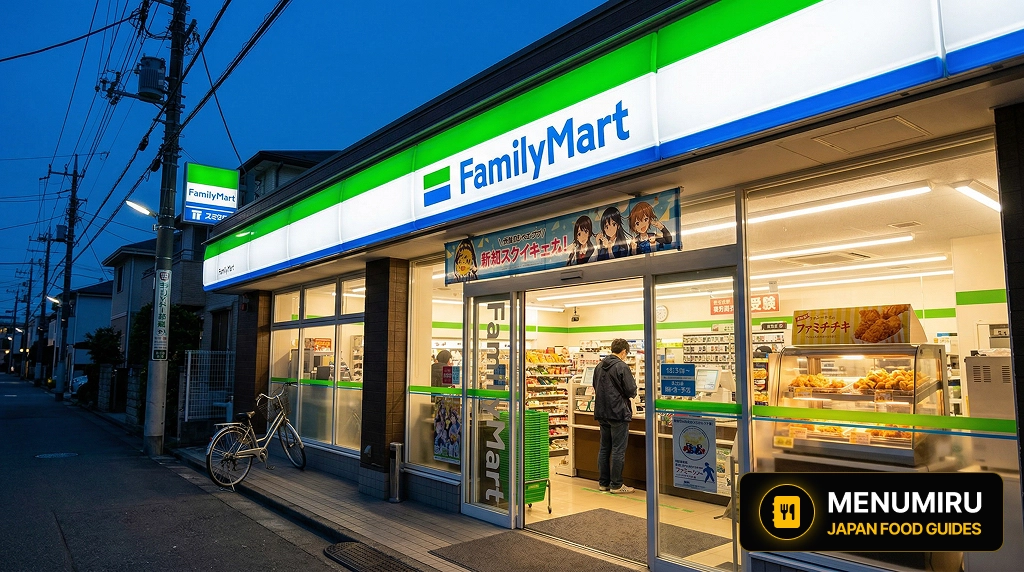
The first FamilyMart opened in 1973 in Sayama, Saitama Prefecture. Today it's the second-largest chain and probably the most "everyday" konbini, with an emphasis on hot food and pop culture collaborations.
What to get:
Famichiki (ファミチキ), a boneless fried chicken thigh for ~¥200. Crispy coating, juicy meat, perfect portion size. Many tourists visit FamilyMart just for this. The TikTok hack: a 7-Eleven pancake + Famichiki = a chicken sandwich for ¥300.
Steamed buns (nikuman, 肉まん) from the glass case by the register. Classic pork, pizza with cheese and tomato sauce, curry. The best cold-weather snack.
Frappe machine, frozen coffee drinks that compete with actual cafés.
Anime and pop culture collaborations. FamilyMart regularly releases limited series with popular franchises. Not just food: collectible cards, small figurines, acrylic keychains, stickers. Anime fans visit multiple stores hunting for rare items. Past collaborations have featured Studio Ghibli, One Piece, Pokemon, and others. Sometimes buying certain products gives you a random card or toy, turning the purchase into a mini gacha.
Lawson (ローソン): the dessert chain
~14,500 stores.
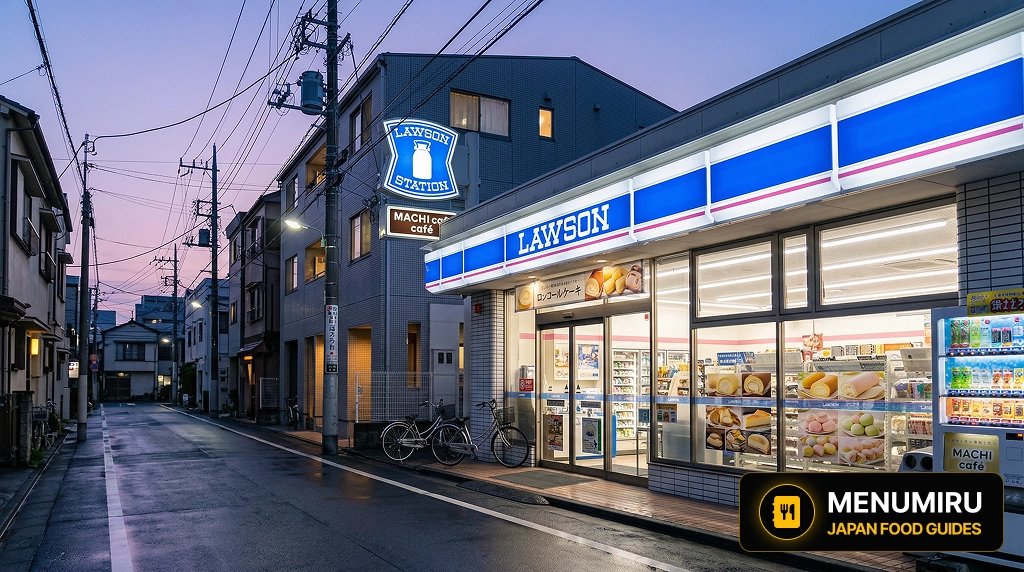
Lawson has personality. If 7-Eleven is about reliability and FamilyMart is about chicken and pop culture, Lawson is about desserts and coffee.
Fun fact: Lawson became an unintentional global celebrity when authorities in Fujikawaguchiko erected a barrier to block the view of Mount Fuji from one of its stores. Too many tourists were standing in the middle of the road trying to get the perfect "Lawson with Fuji" photo.
What to get:
The best desserts of any konbini. The Uchi Café (ウチカフェ) line includes baumkuchen, éclairs, mochi ice cream, and seasonal parfaits. The Premium Roll Cake (ロールケーキ), a sponge with cream for ¥194, sold over 18 million units in its first six months. It won gold at the Monde Selection.
Basque cheesecake (バスクチーズケーキ) for ~¥250. Caramelized top, melting creamy center. One of the best desserts in Japan at this price.
Karaage-kun (からあげクン), chicken nuggets in various flavors (original, lemon, cheese, plus occasional limited editions). ¥220.
Akuma Onigiri (悪魔おにぎり, "Devil's Onigiri"): rice seasoned with dashi broth, tempura flakes, and green seaweed. Named so because it's "devilishly" addictive. They sold 2.65 million in the first 13 days.
The best konbini coffee. MACHI café, developed with Sarutahiko Coffee, a specialty roaster from Tokyo. A lot of Japanese people consider Lawson the gold standard for konbini coffee. Hot, iced, latte, all good.
Collaborations: Lawson partners with Godiva (chocolate desserts at konbini prices), and some stores have built-in Muji mini-corners with stationery and household goods.
Sub-brands: Natural Lawson has organic products, healthy eating, gluten-free options. Lawson Store 100 sells everything for ¥100, like a ¥100 shop.
Loppi terminal sells tickets for the Ghibli Museum (one of the few places you can buy them), concerts, amusement parks, and long-distance buses.
Everything you can eat: the complete food breakdown
The thing that shocks tourists most about Japanese konbini is the scale and quality of the food. This isn't chips and soda. It's real food on shelves.
Onigiri (おにぎり)
Triangular (or round) rice balls with a filling, wrapped in nori. ¥130–180 each. The bestselling category across all konbini in Japan.
A clever three-layer wrapper keeps the nori crispy: the rice and seaweed don't touch until you pull the 1-2-3 tabs and unwrap. This little ritual is a pleasure in itself.
Popular fillings: tuna mayo (ツナマヨ, the most popular), salted salmon (塩鮭), mentaiko (明太子, spicy roe), umeboshi (梅干し, sour plum), kombu (昆布, kelp), ikura (いくら, salmon roe). Lawson has the Akuma Onigiri with dashi and tempura flakes.
Sandwiches (サンドイッチ)
Forget everything you know about convenience store sandwiches. Japanese konbini sandwiches use impossibly soft crustless shokupan bread, generous fillings, and unexpected attention to detail. ¥200–400.
What to try: tamago sando (egg salad with Kewpie mayo, the classic), katsu sando (breaded pork cutlet), strawberry sando with whipped cream and custard (fruit sando, フルーツサンド), tuna, ham. 7-Eleven sells combo packs of three mini sandwiches with different fillings, great if you can't decide.
Bento (弁当)
Ready-made lunches with rice, a main dish, vegetable sides, and pickled accompaniments. ¥400–800. Heated for free in the store: the cashier will ask "Atatame masu ka?" (温めますか?, "Heat it up?"). Just nod or say "hai."
What you'll find: chicken teriyaki, katsudon (pork cutlet on rice with egg), mapo tofu, grilled salmon, yakiniku (grilled meat), curry rice, gyudon (beef and onion on rice). 7-Eleven's bento are generally considered the best, but FamilyMart and Lawson hold their own.
Noodles and hot dishes
Cup Noodles and instant ramen fill entire shelves, dozens of options from Nissin, Maruchan, UFO, and more. Every konbini has free hot water near the register. Pour, wait 3 minutes, and you have a hot meal for ¥200–350. Try Cup Noodle Seafood (the blue one) or collaborations with real ramen shops, like Sumire Miso Ramen from Sapporo.
Ready-made pasta: carbonara, Napolitan (Japan's "Italian" classic with ketchup and sausages), meat Bolognese, mentaiko pasta. Cold and hot options. ¥350–550.
Udon and soba: chilled in summer, hot in winter. ¥350–500.
Salads and vegetables
Many tourists complain that vegetables are hard to find in Japan. Konbini solve this:
Ready-made salads: cabbage, wakame (seaweed), tofu, Caesar. ¥200–400.
Pre-washed, pre-cut vegetables: carrots, cucumbers, cabbage in packs, sometimes with miso mayo for dipping. ¥150–250.
Boiled eggs cooked in salted water, good as a protein snack. ¥100.
Corn on the cob in vacuum packaging. Heat in the microwave. ¥150–200.
Bananas and cut fruit. Fruit is expensive in Japan, but konbini offer small portions for ¥200–400.
Hot food at the counter (ホットスナック)
By the register, there's a glass case with hot food. Just point. No Japanese needed. The cashier will bag it for you.
Year-round: Famichiki (FamilyMart, ¥200), Nana-chiki (7-Eleven), karaage (fried chicken pieces), korokke (potato croquettes), American dog (corn dog, ¥150), yakitori (chicken skewers).
Winter only: Nikuman (肉まん, steamed buns with pork, pizza, or curry filling, ¥150–200) in the steamy glass case. Oden (おでん), hot broth with fish cakes, daikon radish, boiled eggs, and konjac. Point at what you want, the cashier scoops it into a container. ¥300–500 per serving.
Drinks
An entire wall of fridges. Dozens of teas, coffees, juices, waters, sports drinks, energy drinks, milk, alcohol.
Tea: Green tea (緑茶, ryokucha), hojicha (ほうじ茶, roasted green tea with a mild flavor), mugicha (麦茶, barley tea, refreshing in summer), peach tea, milk tea. The most popular brand is Ito En. Most teas are unsweetened; if you want something sweet, look for the word "微糖" (bitou, lightly sweetened).
Coffee: Canned coffee (Boss, Georgia), hot or cold from the fridge, ¥130. Freshly brewed from Seven Café machines (7-Eleven) or MACHI café (Lawson), from ¥110. Grab a cup of ice from the freezer, walk to the machine, press the button. FamilyMart has frappe machines for frozen coffee drinks and smoothies.
Winter: In a separate "warm" fridge (red lighting, a HOT label), heated bottles of tea, coffee, corn soup, even hot lemon with honey.
Alcohol: Beer (Asahi, Kirin, Sapporo, Suntory), chuhai (チューハイ, light canned cocktails with lemon, grapefruit, or peach), wine, small bottles of sake and whisky. All alcoholic drinks are marked with an お酒 symbol in a circle. Remember this so you don't accidentally buy alcohol instead of lemonade. At checkout, you'll be asked to press an age confirmation button on the screen (20+ in Japan). And if your evening of chuhai went a bit too far, right there in the mini-fridge by the register you'll find small bottles of Ukon no Chikara (ウコンの力), a popular turmeric drink that Japanese people take before or after drinking. Whether it actually works is debatable, but the ritual is part of the culture.
Desserts
The dessert shelves are dangerous. Budget accordingly. ¥100–400.
Basque cheesecake (Lawson), ¥250. Caramelized top, melting center.
Premium Roll Cake (Lawson), soft sponge with cream, ¥194.
Mochi ice cream: rice casing with ice cream filling. Matcha, strawberry, vanilla. ¥150–300.
Pudding (プリン), creamy, with caramel. ¥200–300.
Cream puffs (シュークリム), FamilyMart and Lawson, ¥150–200.
Gari Gari-kun, the classic popsicle with a soda flavor. ¥70. A lifesaver in summer.
Häagen-Dazs in Japan-exclusive flavors: matcha, sakura, hojicha. ¥300–400.
Wagashi-inspired sweets from 7-Eleven: matcha cookies, yomogi daifuku, azuki rice cakes.
Seasonality: shelves that follow the calendar
Japanese konbini rotate products constantly. The shelves follow the seasons, and every visit can bring something new.
Spring (March–May): Everything turns pink. Sakura mochi, sakura latte, sakura Kit Kat, strawberry desserts at their peak (fruit sando with huge berries, strawberry daifuku). Limited editions disappear within weeks.
Summer (June–August): Cold noodles (hiyashi chuka, zaru soba), ice cream takes over an entire freezer, from Gari Gari-kun at ¥70 to Häagen-Dazs at ¥400. Frozen fruit on a stick appears (pineapple, mango). Yuzu and lemon drinks, sodas, kakigori (shaved ice). Hot snacks at the counter give way to lighter options.
Autumn (September–November): Chestnut (kuri, 栗) is everywhere: chestnut mochi, chestnut pastries, chestnut latte. Sweet potato (satsumaimo) shows up in desserts, chips, and drinks in purple hues. Pumpkin sweets. Oden season begins at the counter, the first sign of winter approaching.
Winter (December–February): Nikuman (steamed buns) appear in the glass case. Oden is in full swing. Warming drinks: hot lemon with honey, ginger tea, corn soup in a bottle. New Year ehomaki (恵方巻, lucky sushi rolls) in early February. 7-Eleven prepares six different varieties, including eel, seafood, and even Korean-style (kimbap). Christmas cakes and strawberry shortcakes.
If you see the words 期間限定 (kikan gentei, "limited edition") or 新商品 (shin shōhin, "new product"), buy it now. It might be gone tomorrow.
Collaborations and collectible series
Japanese konbini are also a showcase for pop culture. All three chains regularly release limited products with anime, games, musicians, and brands.
How it works: certain products (usually drinks, snacks, or desserts) come with a collectible bonus, a card, small figurine, acrylic keychain, sticker, or seal. You can't choose which one you get, so the purchase becomes a mini gacha. Fans visit dozens of stores hunting for a specific character.
Examples from 2025–2026: Pokemon × Lawson runs monthly series of themed food and collectible goods. One Piece, Jujutsu Kaisen, Haikyu!!, and other franchises periodically appear on chip bags, drinks, and sweets packaging. Lawson partners with Godiva, while 7-Eleven collaborates with famous ramen restaurants, turning their signature dishes into instant noodles.
For collectors and anime fans, konbini are an essential stop, not just a place to grab food.
Missed the last train? Konbini to the rescue
This happens to every tourist at least once. You lost track of time in Shinjuku, stayed too long at an izakaya, missed the departure board, and the last train is gone. The next one isn't until 5 AM. A taxi to your hotel costs a fortune. What do you do?
Walk into a konbini. Grab a bento or onigiri, a hot coffee or cocoa, use the restroom. If it's cold outside, warm up inside. Many konbini have eat-in areas with small tables where you can sit. If you decide to walk, take some onigiri and a bottle of water for the road. If you're waiting for the first train, you have a warm, well-lit, safe place just minutes from any station. In Tokyo and Osaka, nightlife stays buzzing until morning: izakayas, bars, ramen joints. But step outside the big cities, and almost everything closes by 9–10 PM. In smaller towns and rural areas, 24-hour konbini are literally the only signs of life until dawn. Even in Tokyo, if you end up in a residential neighborhood away from the center, a konbini might be the only open place for several blocks.
How to navigate when everything's in Japanese
How to open an onigiri
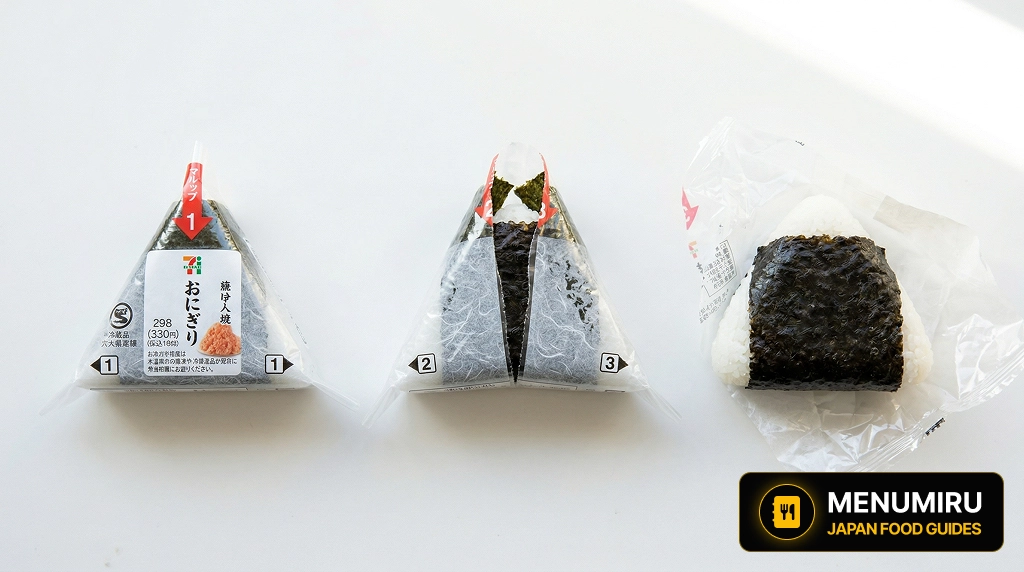
The wrapper has numbers 1-2-3 printed on it:
Pull tab "1" down the center from top to bottom, splitting the film.
Pull "2", the right side.
Pull "3", the left side.
The nori stays crispy until the moment it meets the rice. Weirdly satisfying.
Key words on labels
Japanese Pronunciation Meaning 温めてください Atatamete kudasai Please heat this up 賞味期限 Shōmi kigen Best before date (recommended) 消費期限 Shōhi kigen Use by date (strict) 卵 Tamago Eggs (allergen) 乳 Nyū Dairy (allergen) 小麦 Komugi Wheat (allergen) お酒 Osake Alcohol (circled on packaging) 新商品 Shin shōhin New product 期間限定 Kikan gentei Limited edition 税込 Zeikomi Price including tax 税抜 Zeinuki Price excluding tax
Allergens
Japanese konbini list 8 major allergens: eggs (卵), milk (乳), wheat (小麦), shrimp (えび), crab (かに), peanuts (落花生), buckwheat (そば), and walnuts (くるみ). Look for small icons or text at the bottom of the label. But be careful: fish-based dashi broth (出汁) is used almost universally, even in many dishes that look vegetarian.
What they'll say at the register (and how to respond)
"Irasshaimase!" (いらっしゃいませ) = "Welcome!" No response needed.
"Fukuro wa go-iriyō desu ka?" (袋はご入用ですか?) = "Do you need a bag?" If yes: "Hai, onegai shimasu" (はい、お願いします). If no: "Daijōbu desu" (大丈夫です). Bags cost ¥3–5.
"Atatame masu ka?" (温めますか?) = "Heat it up?" If yes: "Hai." Konbini microwaves are industrial strength; 10 seconds equals a minute in a regular one.
"Ohashi / supūn / fōku wa?" = "Chopsticks / spoon / fork?" If you need them: "Hai."
"Pointo kādo wa?" = "Do you have a point card?" Say "Nai desu" (ないです, "No").
Payment: credit cards, IC cards (Suica, Pasmo), QR payments (PayPay), and cash are accepted everywhere. Place cash on the small tray by the register.
Tips and tricks
Budget. A full day of konbini meals costs ¥1,500–2,000 (~$10–14). Breakfast: onigiri + coffee (¥250). Lunch: bento (¥500). Dinner: hot food from the counter + drink (¥400). Snacks and dessert (¥350).
Delivery times. Fresh bento and sandwiches arrive around 10–11 AM, 5 PM, and 9 PM. After 9 PM, products nearing their expiration get discount stickers, 20–30% off.
Bring a bag. Plastic bags cost ¥3–5. A reusable tote saves money over a trip.
Frozen food. If your hotel has a microwave (most Japanese hotels do), frozen gyoza, fried rice, and udon make a full dinner for ¥200–400.
Hot water is free. Every store has a hot water dispenser for instant noodles.
Frequently asked questions
Can you survive on konbini food alone? Technically, yes, and many budget travelers do it for weeks. But Japan's restaurant culture is worth experiencing. Konbini are a great complement, not a replacement.
Is the food safe? Yes. Safety standards are strict, and turnover is high (shelves restock 2–3 times a day).
Are there vegetarian options? Limited. Onigiri with umeboshi, kombu, or inari sushi are technically meat-free, but many products contain dashi. For strict vegetarians, try Natural Lawson.
Can you eat inside the store? Many konbini have eat-in areas with tables, though fewer since COVID. Eating outside near the store is perfectly normal.
First visit checklist
If this is your first time in a Japanese konbini, start with this:
Tuna mayo onigiri (ツナマヨ), ¥140
Tamago sando (egg sandwich), ¥250
Famichiki or karaage, ¥200
Ito En green tea (緑茶), ¥150
Dessert: Basque cheesecake or mochi ice cream, ¥250
Total: ~¥990. Not bad for a first visit.
Want to navigate Japanese restaurant menus as easily as konbini shelves? MenuMiru instantly translates any menu with AI and recommends dishes based on your taste.