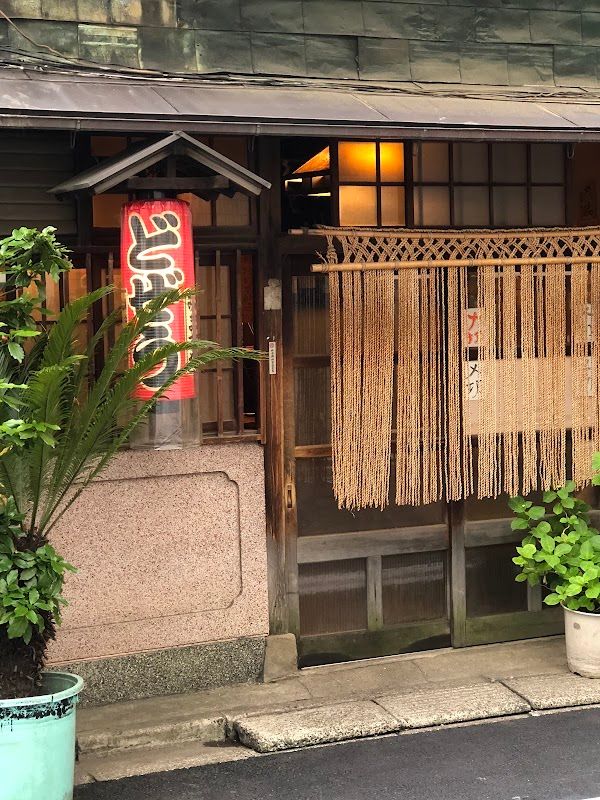
Opened in 1905, Mimasuya is widely considered Tokyo's oldest surviving izakaya, having weathered the 1923 Great Kanto earthquake and wartime bombing from the same corner of Kanda. The current main building dates to the post-earthquake rebuild. Long wooden tables and a no-frills, unpretentious dining room have made it a fixture for Kanda's office workers and sake enthusiasts for well over a century. The kitchen keeps to old-fashioned izakaya standards: basashi horse sashimi, niku-dofu beef and tofu hot pot, and stewed loach, alongside a deep selection of sake.
Address
Japan, 〒101-0048 Tokyo, Chiyoda City, Kanda Tsukasamachi, 2-chōme−15−2

Operating since 1905, often cited as Tokyo's oldest izakayaNon-smoking throughoutCash onlySame-day reservations not acceptedBasashi horse sashimi, niku-dofu, and stewed loach; extensive sake selection130 seats, no private roomsMain building dates to the rebuild after the 1923 Great Kanto earthquake
AI Assistant
Ask about dishes, ingredients, allergens, or get personalized suggestions
Menu
* The menu was scanned by a user, not uploaded by the owner. There may be inaccuracies.
Izakaya Menu
Octopus with Vinegar Dressing
Boiled octopus tossed in a tangy vinegar dressing, a classic izakaya starter.
¥500
Basashi (Horse Sashimi)
Thinly sliced raw horse meat, one of the restaurant's most ordered specialties.
Niku-Dofu (Beef and Tofu Hot Pot)
A simmered hot pot of sliced beef and tofu in a savory broth, one of Mimasuya's signature dishes.
Dojou (Simmered Loach)
Whole loach fish simmered in a seasoned broth, a traditional Tokyo izakaya dish.
Yanagawa Nabe (Loach and Egg Hot Pot)
Loach simmered with burdock root in a broth and finished with beaten egg, a Tokyo classic.
Beef Nikomi (Simmered Beef Stew)
Beef offal and vegetables slow-simmered in a seasoned broth.
Fried Horse Mackerel
Breaded and deep-fried horse mackerel, a popular fried fish dish.
Fried Oysters
Breaded and deep-fried oysters.
Horse Sashimi / Horse Meat Hot Pot (Sakura)
Horse meat served either as sashimi or simmered in a hot pot, referred to by the classic euphemism "sakura" (cherry blossom).
From a 1,000-year-old mochi shop in Kyoto to Edo-period tempura stalls in Asakusa, these legendary establishments have been serving the same iconic dishes for generations — some for over 500 years. Step back in time and taste history at Japan's most enduring culinary institutions.