Japan's Oldest Restaurants: Dining Through the Centuries
Discuss with AI
Get recommendations, compare places, ask anything about this collection…
Tokyo東京都KyotoAichiOsakaNagasakiIshikawaKanagawaNaraShizuoka
Tokyo
places
Komakata Dojo
Tokyo, Taito City
Iseju Wagyu Sukiyaki
Tokyo, Chuo City
Founded in 1869 in Nihonbashi Kodenmacho, Iseju is regarded as Tokyo's longest-running sukiyaki specialist, now in its 150th-plus year. Guests dine in fully private tatami-style rooms reached via a staircase down to the basement level, in a refined, traditional atmosphere suited to family celebrations and business entertaining. The kitchen builds every pot on four pillars: carefully selected A5-grade Kuroge Wagyu, a secret warishita sauce, charcoal-fired cooking, and hand-cutting by skilled craftsmen who trim away sinew a machine cannot. Beyond classic sukiyaki, the menu extends to suppu-ni (a lighter, kombu-dashi shabu-shabu-style pot), wagyu steak, awori-yaki (Iseju-style grilled beef), and cutlets.
AKASAKA ASADA
Tokyo, Minato City
Founded in 1867 as an offshoot of the venerable Asadaya inn of Kanazawa, Akasaka Asada has served refined Kaga cuisine in Tokyo's Akasaka geisha district for over 50 years. Behind a heavy black noren and a storehouse-style entrance, the interior is composed of eleven fully private tatami rooms arranged so guests never cross paths with other parties, creating a hushed, dignified retreat from the city. Ingredients — seafood, mountain vegetables, rice, buckwheat and even brewing water — are shipped daily from Ishikawa Prefecture, expressing "tradition from Kanazawa, refinement of Tokyo." Signature dishes include the five-tier "Godan Bento," jibuni duck stew, and seasonal ayu (sweetfish) courses, complemented by a curated selection of Kaga sake. Akasaka geisha can also be arranged to add traditional entertainment to celebrations and business gatherings.
Cafe Paulista
Tokyo, Chuo City
Opened in December 1911 in Ginza by Mizuno Ryo, known as the "father of Japanese emigration to Brazil," Cafe Paulista is widely regarded as one of Japan's oldest surviving coffee houses and a pioneer in introducing coffee culture to the country. Mizuno received Brazilian coffee beans free of charge from the Sao Paulo state government in gratitude for his work resettling Japanese immigrants, and built the original Ginza shop into a gathering place for writers, artists, and students; John Lennon is among the notable visitors over the decades. Today the two-floor cafe serves single-origin, sustainably grown coffee alongside light meals, sandwiches, and cakes in a setting that recalls its Taisho-era origins.
Mimasuya
Tokyo, Chiyoda City
Opened in 1905, Mimasuya is widely considered Tokyo's oldest surviving izakaya, having weathered the 1923 Great Kanto earthquake and wartime bombing from the same corner of Kanda. The current main building dates to the post-earthquake rebuild. Long wooden tables and a no-frills, unpretentious dining room have made it a fixture for Kanda's office workers and sake enthusiasts for well over a century. The kitchen keeps to old-fashioned izakaya standards: basashi horse sashimi, niku-dofu beef and tofu hot pot, and stewed loach, alongside a deep selection of sake.
Momonjiya
Tokyo, Sumida City
Since 1718, Momonjiya has served wild boar hot pot from the same corner of Ryogoku, near the sumo stadium, passed down through ten generations of the same family. Known historically as a "yamakujira" (mountain whale) shop, a euphemism once used to sell meat when eating four-legged animals was frowned upon, the restaurant still serves its deep red, marbled boar in a miso-based hot pot alongside venison and bear nabe. The tatami dining rooms, fully partitioned into private spaces for parties of two and up, retain an old Shitamachi (old downtown Tokyo) atmosphere inside a wooden building near the Ryogoku Kokugikan sumo arena.
Seiyoken
Tokyo, Taito City
Since 1872, Ueno Seiyoken has been Japan's pioneering Western-style restaurant, set inside Ueno Park with views over Shinobazu Pond. The main-building dining room seats 150 with sofa seating and a bright, open terrace (spring through autumn), giving a relaxed, spacious feel rather than a formal one. Its signature is a demi-glace sauce simmered over nine days from a recipe passed down through 21 generations of head chefs, forming the base of the classic beef stew and hayashi rice loved here for over 150 years. The menu centers on nostalgic yoshoku (Japanese Western food): omurice, crab cream croquettes, hamburg steak, and set-course steaks served with soup, bread or rice, and dessert.
Asakusa Sushisei
Tokyo, Taito City
Founded in 1891, Asakusa Sushisei is the oldest shop on Asakusa's historic Sushiya-dori, a narrow street lined with long-standing sushi restaurants. The dining room centers on a nine-seat hinoki wood counter, with a quiet tatami private room available for up to eight guests. The chef builds a fully reservation-only omakase around whatever the day's best catch offers, favoring seasonal Edomae-style nigiri. The calm, understated interior and no-perfume policy set a refined, focused mood for savoring the fish course by course.
Ningyocho Imahan
Tokyo, Chuo City
Ningyocho Imahan's main store stands on the former site of Kiouken, a Meiji-to-Showa-era naniwa-bushi theater, on an old-town street in Ningyocho. Founded in 1895 as a gyunabe restaurant in Honjo, the shop was established here as an independent flagship in 1956 and has built its reputation on carefully selected Kuroge Wagyu beef. The ground floor serves teppanyaki steak under the Kiouken name, while the second floor offers classic sukiyaki and shabu-shabu in traditional Japanese dining rooms. Private rooms for 2 to 16 guests make it a popular choice for family milestone celebrations tied to the nearby Suitengu shrine.
Ginza Kyūbey Ginza Honten
Tokyo, Chuo City
Kikunoi
Tokyo, Minato City
Kikunoi Akasaka is the Tokyo outpost of the storied Kyoto kaiseki house founded in 1912, reached via a bamboo-lined stone path that opens onto a serene Kyoto-style sukiya-zukuri building tucked away from Akasaka's bustle. Guests can sit at a counter watching the chefs work, relax at tables or sunken kotatsu seating, or take a traditional tatami room with full ryotei-style formality. The kitchen serves refined Kyoto-style kaiseki built around seasonal ingredients, with monthly-changing set courses. The restaurant holds two Michelin stars (Michelin Guide Tokyo 2026) and asks male guests to avoid shorts, sandals, and strong fragrance so as not to disturb the dining experience.
Ishibashi
Tokyo, Chiyoda City
Ishibashi is a storied sukiyaki restaurant founded in 1872 (Meiji era) as a butcher shop, now run by fifth-generation owner Shinsuke Ishibashi. Housed in a traditional Japanese wooden building with tatami private rooms, it preserves a distinctly old-Tokyo, pre-war atmosphere. Skilled nakai (waitresses) cook the sukiyaki tableside from the first slice of beef through to the signature closing rice dish, using a secret warishita sauce passed down through generations of proprietresses. The beef is thick-cut, well-marbled wagyu selected by the restaurant's own butcher shop. A Michelin-starred address favored for business entertaining and special occasions.
Tonki
Tokyo, Meguro City
Founded in 1939 near Meguro Station, Tonki is one of Tokyo's most celebrated old-school tonkatsu specialists. The dining room centers on a long open counter where cooks in white uniforms work in a calm, well-drilled rhythm, breading and frying cutlets in full view of guests — a scene regulars describe as almost ritualistic. A second floor holds additional table seating and private rooms for groups. The menu is deliberately narrow: pork loin (rosu) and fillet (hire) cutlet set meals, plus skewered kushikatsu, each served with rice, miso soup and pickles, with free cabbage refills.
Sasanoyuki
Tokyo, Taito City
A tofu specialty restaurant founded in 1691, one of Tokyo's oldest continuously operating establishments and said to be the birthplace of silken (kinugoshi) tofu in Edo. Reopened in August 2024 in a newly built two-story building right next to the Shiki-an museum, after the original prewar structure was rebuilt; the dining room upstairs doubles as a small gallery of calligraphy and paintings, with a quiet, refined, non-smoking atmosphere and spacious table seating. The restaurant historically served literary figures including the haiku poet Masaoka Shiki, and its name comes from a Edo-era prince who likened the whiteness of its tofu to snow piled on bamboo leaves. The single fixed course, built entirely around tofu preparations (simmered, chilled, in yuba, in ochazuke and more), is served identically at lunch and dinner.
Daikokuya Tempura
Tokyo, Taito City
Steps from Sensoji Temple's Kaminari Gate, this Meiji-era institution has served tendon since 1887, when it began as a soba shop before switching to tempura specialization. Now run by the fourth generation of the same family, it keeps a calm, old-Asakusa dining room with tatami seating for roughly 200 guests. The signature dish is a rice bowl piled high with prawns fried golden in pure sesame oil and coated in a rich, slightly spicy sauce that regulars say is unforgettable. The casual, unpretentious service suits everyone from grandparents to grandchildren, true to Asakusa's old downtown character. Beyond the famous ebi-tendon, the menu covers tempura sets, sashimi, and traditional Japanese side dishes.
Kappo Toyoda
Tokyo, Chuo City
Founded in 1863 as a humble street stall at the old Nihonbashi Uogashi fish market, this kappo restaurant has been run by five generations of the same family for over 160 years at its current Muromachi location since 1961. The intimate dining room centers on a six-seat counter where chefs prepare dishes in full view of guests, alongside two private rooms seating four to eight. The kitchen follows Edomae culinary tradition, prized for its bold, robust flavors built around fresh seafood sourced in the spirit of the old fish market, with sashimi, seasonal kaiseki courses, and a milk-enriched sesame tofu with a notably sticky texture and stronger aroma than the usual version. Seasonal specialties include a hamo (pike conger) course in summer and a Wagyu A5 sirloin steak course.
Izuei Main Branch
Tokyo, Taito City
Tamahide Poultry Restaurant
Tokyo, Chuo City
Sansada Tempura
Tokyo, Taito City
Kamiya Bar
Tokyo, Taito City
Sarashina Horii
Tokyo, Minato City
Founded in 1789, this is the original Horii family soba shop, reopened in Azabu-Juban in 1984 after the historic Nagasaka Sarashina store closed decades earlier. The counter-and-tatami dining room has a traditional Edo-era craftsman atmosphere, with the noodle-making area visible near the entrance. The house specialty is sarashina-soba, a pale white noodle milled only from the innermost part of the buckwheat kernel, alongside hearty inaka-style futo-uchi soba and seasonal kawari-soba flavored with citron, mugwort, or other seasonal ingredients. A multi-course kaiseki menu is available on weekends and holidays by advance reservation.
Renga-Tei
Tokyo, Chuo City
Kyoto
places
Okutan Nanzenji
Kyoto, Kyoto, Sakyo Ward
Okutan Nanzenji is a historic yudofu (simmered tofu) restaurant near Nanzenji Temple, tracing its roots to a tofu shop founded in the Edo period (1635), making it one of Kyoto's oldest tofu specialists. The setting is traditional and quiet, with tatami seating and views over a garden, evoking the temple-town atmosphere of the Nanzenji approach. The kitchen makes fresh tofu daily, served simmering in individual pots at the table alongside sesame tofu, deep-fried tofu skewers (dengaku), and vegetable tempura in a multi-course style once favored by Zen temple monks. Note: as of recent reports the restaurant has been temporarily closed since spring 2024, with no confirmed reopening date.
Kazariya
Kyoto, Kyoto, Kita Ward
Kazariya is a historic teahouse on the eastern approach to Imamiya Shrine, in business since 1637 — nearly 400 years. Guests sit beneath the eaves of an old wooden townhouse with tatami seating, where a water harp (suikinkutsu) enshrining Benten chimes softly near the entrance. The shop serves a single specialty, aburi mochi: bite-sized rice cakes coated in roasted soybean flour, threaded on skewers and grilled over charcoal to order, then finished with a distinctively sweet white miso sauce — slightly milder and sweeter than the sauce at Ichiwa, its rival across the path. The calm, old-Kyoto atmosphere makes it a favored stop for shrine visitors to rest and socialize.
Warajiya
Kyoto, Kyoto, Higashiyama Ward
Warajiya is a centuries-old eel specialist beside Sanjusangendo, its name recalling the straw sandals Toyotomi Hideyoshi once removed here. The dining rooms include a historic tea room, "Ichiroan," described in Tanizaki's essay "In Praise of Shadows," plus several tatami annexes and a large hall. The kitchen builds its reputation on two signature dishes: unabe, a delicate eel and scallion broth, and uzosui, a rice porridge finished with grilled eel, mushrooms, egg, and mochi in a gentle Kyoto-style dashi. Grilled eel (kabayaki and shirayaki) rice sets, seasonal takeout bento, and sake pairings round out the menu.
Yamabana Heihachi Jaya
Kyoto, Kyoto, Sakyo Ward
Founded in 1576 as a roadside teahouse on the old Wakasa Kaido route linking Kyoto to the Sea of Japan, Yamabana Heihachi Jaya has served travelers on the same spot in northern Kyoto for more than 440 years. The kitchen is known for mugimeshi-tororo-jiru, barley rice with grated mountain yam soup carried over from its teahouse days, alongside kaiseki built around guji tilefish, a delicacy especially prized in Kyoto. The wooden buildings sit within a garden setting, with tatami rooms convertible to table seating, and the property also operates as a small ryokan with an on-site steam bath.
Hyotei
Kyoto, Kyoto, Sakyo Ward
For more than 400 years, Hyotei has stood beside Nanzenji temple, its origins as a teahouse where pilgrims once rested by the temple's outer gate. The main building preserves its original thatched-roof teahouses, including a four-and-a-half-mat room and a hall with a distinctive round window, each opening onto a Japanese garden that has matured alongside the restaurant for centuries. Guests come for refined kaiseki built on tea-ceremony principles, most famously the restaurant's soft-simmered Hyotei tamago egg, alongside seasonal specialties like summer's asagayu rice porridge and winter's quail porridge. A separate annex with table seating serves porridge and shokado bento boxes year-round in a more relaxed format.
Harise
Kyoto, Kyoto, Higashiyama Ward
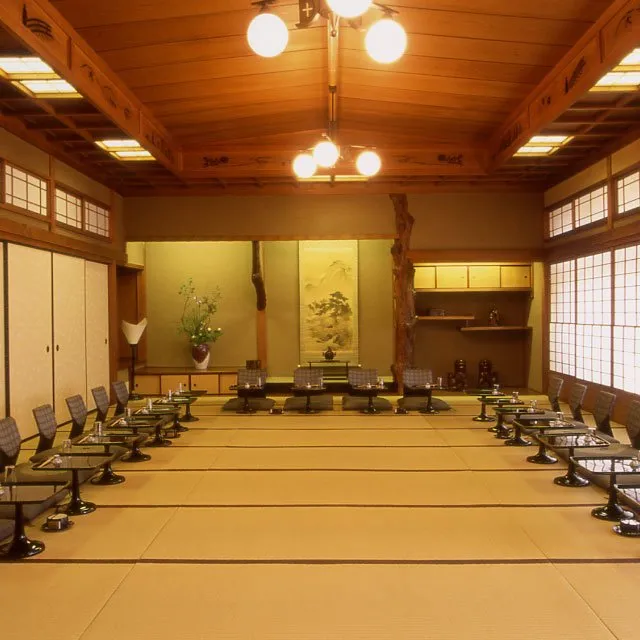
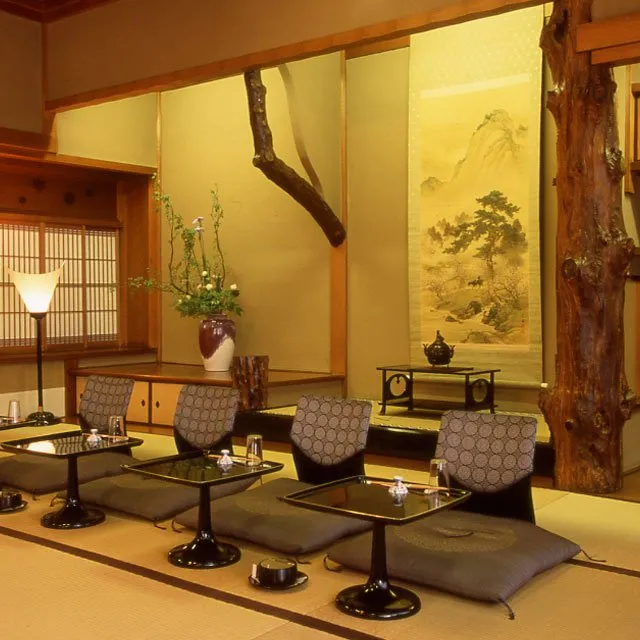
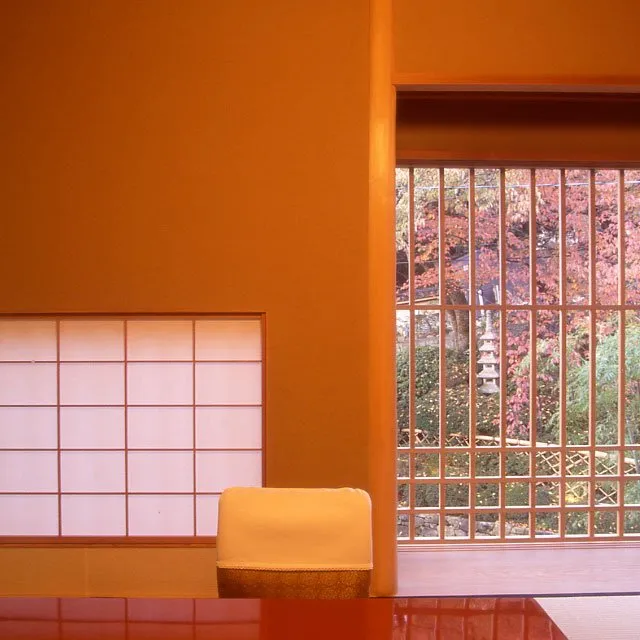
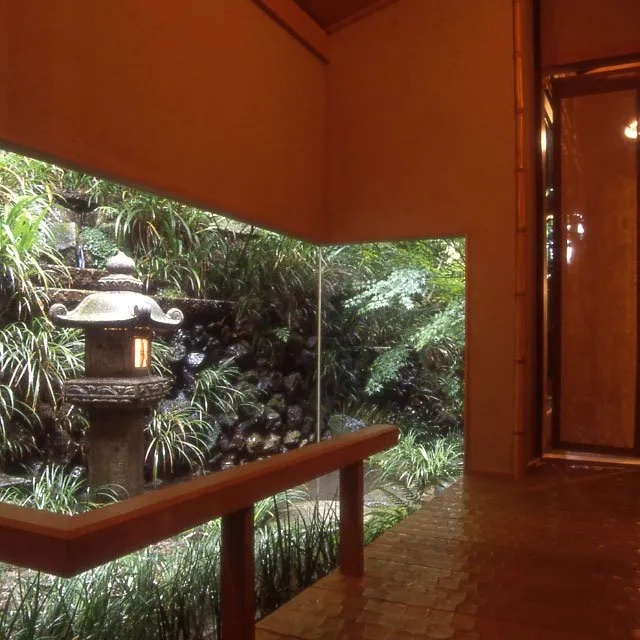
Founded in 1659 and now run by its 14th-generation owner, Harise is a historic Kyoto ryotei tucked into a quiet Higashiyama lane a five-minute walk from Kiyomizu-Gojo Station. Guests dine in tatami rooms that look onto a traditional garden through shoji screens, choosing between seasonal kaiseki and courses built around sukiyaki, tempura, and sushi. English-speaking staff and foreign-language menus make it an easy, welcoming stop for visitors exploring nearby Kiyomizu-dera and Gion.
1 / 4
Kikunoi Honten
Kyoto, Kyoto, Higashiyama Ward
Kikunoi Honten sits in a quiet garden setting near Yasaka Shrine and Kodaiji Temple in Kyoto's Higashiyama district. Founded in 1912 by a family who had served as tea attendants guarding the Kikusui well once used for tea ceremony by Hideyoshi's wife, it has been led since 1993 by third-generation chef Yoshihiro Murata. Guests dine in one of ten tatami rooms overlooking landscaped gardens, each with its own seasonal scroll and flower arrangement, savoring refined kaiseki cuisine built around Kyoto's seasonal ingredients.
Uosaburo
Kyoto, Kyoto, Fushimi Ward
Founded in 1764 by Saburoemon, a merchant originally from Sanuki, this Fushimi ryotei has survived the turbulence of the Boshin War — bullet marks from the 1868 Battle of Toba-Fushimi are still visible on the wooden lattice of its facade. Now run by the 9th generation and awarded a Michelin star, it serves refined Kyoto kaiseki in spacious sukiya-style tatami rooms overlooking a garden, built around Fushimi's soft, mineral-rich spring water ("Fushimizu"), fresh Setouchi seafood and Kyoto vegetables. The kitchen favors quiet harmony over showy plating, pairing seasonal, monthly-changing courses with local sake brewed using the same spring water. Private rooms of varying sizes and a calm, unhurried atmosphere make it a favored choice for business entertaining, celebrations and memorial gatherings.
Kichisen
Kyoto, Kyoto, Sakyo Ward
Kichisen is a quiet ryotei tucked beside Shimogamo Shrine, a UNESCO World Heritage Site, within the Tadasu-no-Mori forest in Kyoto. The restaurant specializes in cha-kaiseki, the refined hospitality cuisine rooted in the tea ceremony, gathering seasonal ingredients from across Japan and presenting them with poetic, ritual-like detail — dew sprinkled on soup-bowl lids, sashimi arranged like a sea of clouds, and dishes served on Kyoyaki ceramics garnished with fresh-cut flowers. Meals follow the traditional Kyoto kaiseki progression: sake offering, clear soup, sashimi, a mid-course of sushi or steamed dishes, a mixed hassun platter, simmered and grilled mains, rice, pickles, and a final course of fruit, sweets and matcha. The restaurant is Michelin-starred and holds only a handful of counter and tatami-room seats, making it an intimate, reservation-only destination for a refined Kyoto dining experience.
Ichiriki-tei
Kyoto, Kyoto, Higashiyama Ward
Ichiriki-tei is one of the most prestigious and historic ochaya (traditional teahouses) in Kyoto's Gion Kobu district, standing at the corner of Shijo Street and Hanami Lane for over 300 years. Built in traditional Japanese wooden architecture with hidden interior gardens and angled screens designed to protect patrons' privacy, it has hosted maiko and geisha entertainment for the city's most powerful guests since the Edo period. The house gained lasting fame through its role in the story of the Forty-Seven Ronin and the kabuki/bunraku play Kanadehon Chushingura, and later as a meeting place for secret talks that helped bring down the shogunate in 1868. Access is strictly invitation-only (ichigen-san okotowari) — guests must be introduced by an existing patron, and the house itself does not prepare food, instead having catering delivered a la carte for parties.
Yudofu Sagano
Kyoto, Kyoto, Ukyo Ward
A serene, pure Japanese sukiya-style building tucked near the grounds of Tenryu-ji Temple in Arashiyama, where the tranquil scenery of Sagano is echoed inside the restaurant itself. Guests dine in tatami rooms and private spaces overlooking a Japanese garden, with sliding screens framing the greenery outside. The kitchen has long specialized in yudofu (simmered tofu) made from traditional Saga tofu, paired with seasonal Kyoto vegetables and yuba (tofu skin); in summer the menu adds chilled tofu, mustard tofu and Miwa somen noodles. It suits both special occasions and a relaxed seasonal lunch, with multiple private rooms available for small and large groups.
Ichimonjiya Wasuke
Kyoto, Kyoto, Kita Ward
Honke Owariya Main Branch
Kyoto, Kyoto, Nakagyo Ward
Okutan Kiyomizu
Kyoto, Kyoto, Higashiyama Ward
Osaka
places
Usamitei Matsubaya
Osaka, Osaka, Chuo Ward
Tucked into a shopping arcade in Minami-Semba, a few minutes from Shinsaibashi, Usamitei Matsubaya has served udon since 1893 and is widely credited as the birthplace of kitsune udon. The dish began as a side plate of sweet-simmered fried tofu meant for inari-zushi; regulars kept dropping the tofu into their noodle broth until the kitchen started serving it that way from the start. The long, narrow dining room keeps a Showa-era retro feel, with overflow seating upstairs when the ground floor fills at lunch. Alongside the signature kitsune udon, the kitchen also serves the more unusual ojiya udon, noodles simmered in a small iron pot with egg, chicken, fish cake, and shrimp.
Yamatoya honten
Osaka, Osaka, Chuo Ward
Yamatoya honten is a traditional Japanese ryotei (fine-dining restaurant) on the banks of the Dotonbori canal in Osaka's Shimanouchi district, offering fully private tatami rooms for parties of 2 to 100 guests. The kitchen builds its kaiseki-style menus around Kansai's prized seasonal ingredients: Kobe beef in spring, ayu and hamo (pike conger) in summer, matsutake mushroom in autumn, and fugu, kue (longtooth grouper) and crab hot pot in winter. Fugu is the house specialty and a signature draw for Osaka's famously food-obsessed diners. The restaurant operates within a hotel/ryokan of the same name and regularly hosts banquets, reunions and celebratory meals alongside its lunch and dinner kaiseki courses.
Dojima Suehiro
Osaka, Osaka, Kita Ward
Dojima Suehiro is a refined Kuroge Wagyu shabu-shabu and sukiyaki specialty restaurant tracing its roots to the very birthplace of shabu-shabu, a beef house with over 110 years of history in Osaka. The dining room is styled around Mingei (Japanese folk craft), decorated with hand-thrown pottery and woodblock prints once collected in connection with the Mingei movement, giving the space a calm, refined atmosphere suited to celebrations and business entertaining. Choicest Kuroge Wagyu is served thinly sliced for shabu-shabu with a secret sesame vinegar sauce, or simmered sukiyaki-style with a house warishita broth; staff assist tableside with the hot pot. This Dojimahama location opened in 2023 while the historic Eirakucho Suehiro flagship undergoes rebuilding.
Nagasaki
places
Kagetsu
Nagasaki, Nagasaki
Housed in the former Hikitaya brothel building at the heart of old Maruyama, Nagasaki's licensed pleasure quarter founded in 1642, Kagetsu is one of only a few structures to survive from the quarter's opening until its abolition in 1872. Bakumatsu-era statesmen and artists once gathered here, including Sakamoto Ryoma, in what functioned as something of an international salon. An 800-tsubo Genroku-era garden, ranked among Nagasaki's three great gardens, is visible from nine distinct rooms, including what is said to be Japan's first Western-style room. The kitchen serves shippoku, Nagasaki's communal round-table cuisine blending Japanese, Chinese, and Portuguese influences, alongside seasonal kaiseki, entirely by reservation.
Shikairo
Nagasaki, Nagasaki
Founded in 1899 in Nagasaki's former Chinatown quarter, Shikairo is the birthplace of champon and sara udon, the noodle dishes its founder invented to feed homesick Chinese students on a budget. The current five-story building sits a minute from Oura Cathedral, with a fifth-floor dining room overlooking Nagasaki harbor, tatami banquet rooms on the fourth floor, and a champon museum on the second floor tracing the dish's history. The kitchen still serves the original champon alongside a broader Chinese menu of stir-fries, dim sum, and seafood dishes.
Fukusaya co.,ltd. Main Store
Nagasaki, Nagasaki
Founded in 1624, Fukusaya is Nagasaki's original castella maker, tracing its recipe back to techniques learned from an early Portuguese visitor. The Nagasaki Main Store is a standalone shop with a calm, unhurried atmosphere near Shianbashi, marked by the company's traditional bat emblem, an auspicious symbol adopted generations ago. Each castella is still hand-mixed by a single experienced baker from egg, sugar, syrup and flour, prized for the crunchy "zarame" sugar crystals left at the base of every slice. Alongside classic castella, the shop offers Hollander cocoa-and-walnut cake, the refined Gosan-yaki castella, handmade monaka wafers, and seasonal Fukusaya Cube gift boxes.
Ishikawa
places
Houshi Ryokan
Ishikawa, Komatsu
Houshi Ryokan has cared for bathers beside the Awazu hot spring since 718 AD, when the priest Yaryo Hoshi built a bathhouse on the guidance of the monk Taicho Daishi. Forty-seven generations of the same family, each carrying the name Hoshi Zengoro, have run the inn ever since, once recognized by Guinness as the world's oldest hotel and inducted into France's Les Henokiens association of 200-year-old family businesses. Guests soak in a naturally self-flowing spring and stroll a centuries-old Kobori Enshu-style Japanese garden built around a heart-shaped pond before dining on Kaga kaiseki centered on Hokuriku's seasonal seafood, including a celebrated winter crab menu.
Tsubajin
Ishikawa, Kanazawa
Founded in 1752, Tsubajin is Kanazawa's oldest ryotei (traditional Japanese restaurant), originally established by a family of tsuba (sword-guard) craftsmen who served the Maeda clan. The sprawling historic building houses more than a dozen distinct tatami rooms, including a 200-mat great hall and chambers once used by poet Matsuo Basho, statesman Ito Hirobumi, and painters Yokoyama Taikan and Yamashita Kiyoshi. All seating is in fully private rooms overlooking mossy gardens or the Sai River, evoking the refined atmosphere of old samurai-era Kanazawa. The kitchen specializes in traditional Kaga cuisine kaiseki courses, along with regional specialties such as tai no karamushi (celebratory sea bream), jibuni duck stew, hasu-mushi (grated lotus root steamed dish), and nodoguro (blackthroat seaperch). A reservation-only crab porridge (kanikayu) breakfast is also offered.
Kinjohro
Ishikawa, Kanazawa
Founded in 1890 on a former samurai estate near the historic Kinjo-reitaku spring that gave Kanazawa its name, Kinjohro is one of the city's most storied ryotei, set within a Kobori Enshu-style garden with a centuries-old pine tree and stones tied to Toyotomi Hideyoshi. Guests dine in fully private tatami rooms amid antique furnishings, lacquerware and art passed down over five generations, with views onto the Maeda Tsushima-no-kami garden. The kitchen focuses on traditional Kaga cuisine built around Noto Peninsula seafood, Kaga vegetables and rice sourced directly from local farmers, served as multi-course kaiseki. The ryotei also operates an in-house tempura restaurant (Tenkin) and offers bento/catering and gift confections. In 2021 it was awarded the Michelin Guide Hokuriku's "5 Pavilions" rating, the only 5-star ryokan distinction in the Hokuriku region.
Shizuoka
places
Chojiya
Shizuoka, Shizuoka, Suruga Ward