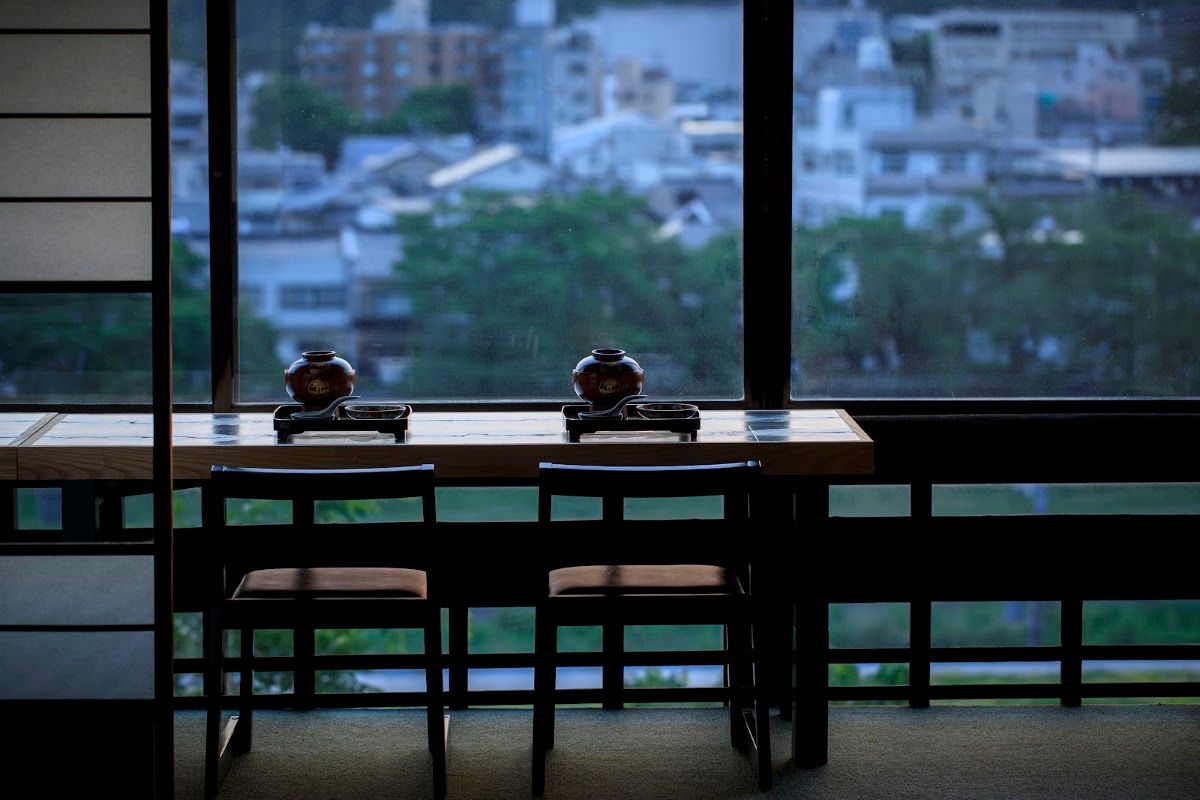
Tsubajin

Powered by Google
Address
5-chōme-1-8 Teramachi, Kanazawa, Ishikawa 921-8033, Japan

Open in Google Maps
Hours
TodayLast order: 19:00
Opens soon
11:00 – 14:0017:00 – 21:00
MondayLast order: 19:00
11:00 – 14:0017:00 – 21:00
TuesdayLast order: 19:00
11:00 – 14:0017:00 – 21:00
Wednesday
Closed
ThursdayLast order: 19:00
11:00 – 14:0017:00 – 21:00
FridayLast order: 19:00
11:00 – 14:0017:00 – 21:00
SaturdayLast order: 19:00
11:00 – 14:0017:00 – 21:00
SundayLast order: 19:00
11:00 – 14:0017:00 – 21:00
Features
Private roomsReservation onlyEnglish menu availableCredit cards acceptedNon-smoking (smoking area near entrance)Wheelchair accessibleFree parking (10 spaces)Historic ryotei since 1752Garden and Sai River viewsTatami seating with sunken kotatsu in some rooms
AI Assistant
Ask about dishes, ingredients, allergens, or get personalized suggestions
Menu
* The menu was scanned by a user, not uploaded by the owner. There may be inaccuracies.
Dinner Kaiseki Courses
Kaiseki Course 27,500 yen
Multi-course dinner kaiseki menu including appetizer, hassun (seasonal assortment), soup, sashimi, grilled dish, simmered dish, a chef's special dish, vinegared dish, rice with soup and pickles, and dessert. Service charge and room fee included.
¥27,500
Kaiseki Course 38,500 yen
Premium multi-course dinner kaiseki menu including appetizer, hassun (seasonal assortment), soup, sashimi, grilled dish, simmered dish, a chef's special dish, vinegared dish, rice with soup and pickles, and dessert. Service charge and room fee included.
¥38,500
Lunch Kaiseki Course
Lunch Kaiseki Course 20,000 yen
Multi-course lunch kaiseki menu including appetizer, hassun (seasonal assortment), soup, sashimi, grilled dish, simmered dish, vinegared dish, rice with soup and pickles, and dessert. Service charge and room fee included.
¥20,000
Regional Kaga Specialties
Tai no Karamushi (Steamed Celebratory Sea Bream)
A dish indispensable to Kanazawa weddings, traditionally prepared using a large male and female sea bream brought by the bride's family. To avoid the seppuku-like image of cutting the belly, the fish is butterflied along the back and stuffed with seasoned okara (soy pulp), then steamed and plated belly-to-belly on a large platter. Symbolizes fertility and family prosperity. Available year-round.
Jibuni (Kaga-style Duck Stew)
A signature Kaga dish of simmered duck or chicken with vegetables in a thick, glossy sauce, traditionally served in a shallow lacquerware bowl made specifically for this dish. Several origin stories exist, including a military quartermaster's invention and a dish brought from Korea. An essential dish for celebratory occasions. Available year-round.
Hasu-mushi (Steamed Grated Lotus Root)
Unlike typical lotus root dishes that preserve its shape and crunch, this dish grates the lotus root and steams it to bring out a sticky, glutinous texture. Tsubajin uses Kaga lotus root, prized for its natural stickiness that requires no added binder. Seasonal, available July to August.
Nodoguro (Blackthroat Seaperch)
A nationally famous white fish known for its rich fat content, recommended grilled or as steamed sushi. Seasonal, available August to May.
Guides & Collections
From a 1,000-year-old mochi shop in Kyoto to Edo-period tempura stalls in Asakusa, these legendary establishments have been serving the same iconic dishes for generations — some for over 500 years. Step back in time and taste history at Japan's most enduring culinary institutions.